Health
November 28, 2026
CDC counts 3.7 million flu illnesses already as an H1N1-heavy season starts early
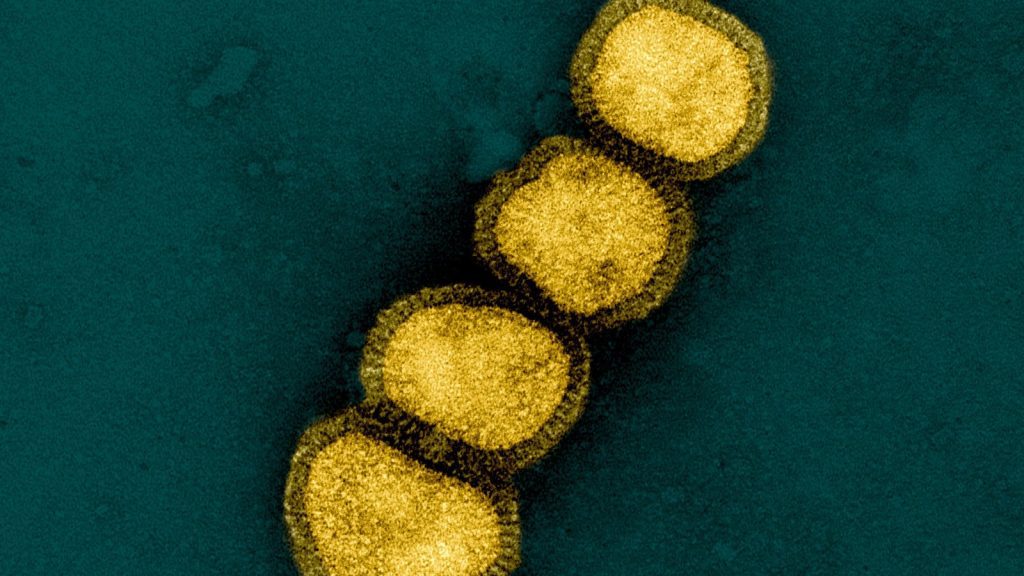
Influenza A H1N1 virus particles under a transmission electron microscope, colorized. Photo: NIAID / Wikimedia Commons, public domain
Flu season arrived early this year, and it is still building. The Centers for Disease Control and Prevention estimates there have already been at least 3.7 million flu illnesses, 50,000 hospitalizations and 2,800 deaths in the 2026-27 season, according to its latest weekly FluView report, covering the week that ended Nov. 14.
The report says “multiple seasonal influenza surveillance indicators continue to increase nationally,” and that many are “higher than typically observed at this time of year.” It arrives just before millions of Americans traveled and gathered for Thanksgiving, the stretch when respiratory viruses usually pick up speed.
One strain is doing almost all the work
This season is overwhelmingly an H1N1 season so far. Of the 613 flu viruses public health labs reported that week, 608 were influenza A. Of the 365 influenza A viruses that were subtyped, 352, or 96.4%, were A(H1N1)pdm09, the strain descended from the 2009 pandemic virus. Twelve were H3N2. One was A(H5), the bird flu subtype.
CDC also flagged a change in how it names the H1N1 viruses now circulating. Viruses previously grouped as subclade D.3.1.1 have been reclassified into a new subclade E, split into four branches, each with different combinations of genetic changes in the virus’s hemagglutinin, the surface protein that vaccines target.
That sounds alarming, but the agency’s lab data so far are reassuring on one point. “So far, almost all the influenza viruses collected and antigenically characterized in the U.S. since Week 21 are antigenically similar to their respective influenza vaccine reference viruses,” the report says. In other words, the viruses CDC has tested still look like the ones this season’s vaccines were built on. The agency cautions it is “too early to know” which viruses will dominate or whether vaccine effectiveness will be affected.
Early is not the same as severe
CDC is careful to separate timing from severity. “An earlier increase in activity does not necessarily lead to a higher seasonal peak or greater severity overall,” the report says. Its preliminary in-season assessment rates severity as low across all ages.
Children are already being affected, though. Two more flu-associated pediatric deaths were reported that week, bringing the season’s total to seven. Because case investigations take time, CDC notes, those counts often rise weeks after the deaths occur.
The agency’s FluSight forecasts point up. For the week ending Dec. 5, CDC expects between 9,200 and 36,100 new flu hospital admissions nationally, and the share of emergency department visits due to flu to fall somewhere between 1.7% and 7.6%. The wide ranges reflect how uncertain a forecast is this early.
What the numbers mean for the weeks ahead
The post-Thanksgiving period is when holiday travel and indoor gatherings tend to show up in the data. Because of the holiday, CDC moved its next FluView, covering the week ending Nov. 21, to Monday, Nov. 30. That report and the one after it will be the first to capture any Thanksgiving effect.
For households, the practical steps are the ones public health agencies repeat every year: a seasonal flu shot, staying home when sick and calling a doctor early if someone at high risk, such as a young child, an older adult or a pregnant person, develops symptoms, since antiviral treatment works best when started soon after symptoms begin.
Flu is not the only respiratory threat being tracked this fall. Measles, a different and far more contagious virus, has already topped 5,400 U.S. cases this year, as we reported earlier this month. For more on new treatments and public health data, see our Health section, including this week’s coverage of the FDA’s vitiligo pill approval.
CDC’s Nov. 30 FluView is the next marker to watch for whether the early climb is steepening or leveling off.
Add Verity News as a preferred source on Google (opens in a new tab)