Uncategorized
November 24, 2026
Precision Fabrication Behind Architectural Visuals: How Modern Equipment Powers Custom Commercial Signage
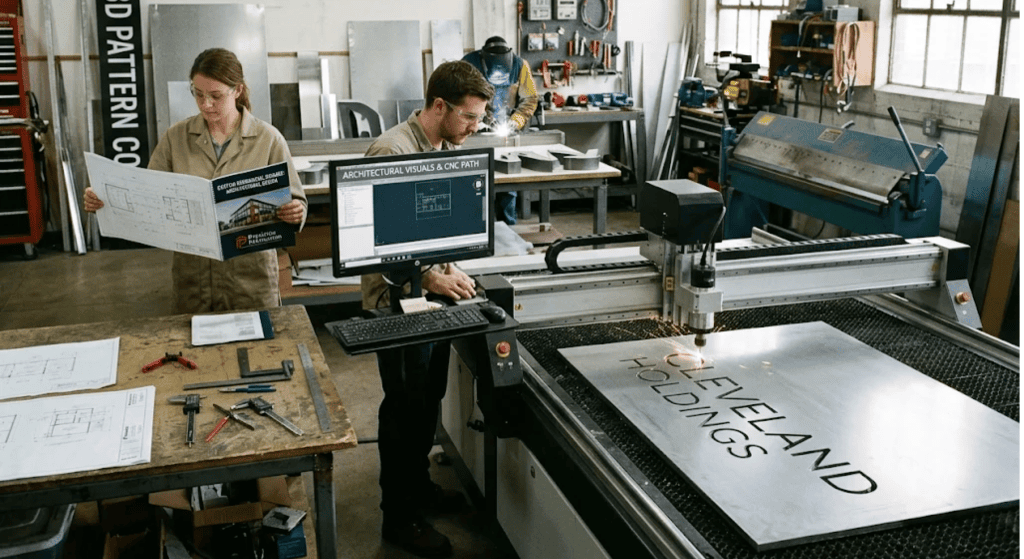
Walk past any busy commercial district, and architectural signage is one of the first things that establishes a brand’s physical presence. From towering illuminated pylons to custom channel letters and monument displays, commercial signs must withstand decades of wind, rain, temperature swings, and UV exposure while maintaining clean visual lines. Behind those polished storefronts lies a demanding metal fabrication process that depends on precision equipment.
In modern fabrication workshops, achieving structural strength alongside fine cosmetic finishes requires versatile, digitally controlled machinery. Looking closely at how equipment innovators like Everlast Generators engineer modern welding and cutting systems and how those capabilities translate into structural builds such as Atlantic Sign business signs Cincinnati highlights the critical link between workshop technology and enduring commercial design.
The Role of Inverter Welding in Architectural Fabrication
Commercial sign manufacturing is uniquely demanding because it merges heavy structural steel engineering with delicate, lightweight aluminum and stainless steel sheet metal work. A single project might require heavy structural mounting brackets anchored into concrete foundations alongside thin-gauge aluminum letter returns that must be joined without warping.
Historically, shops needed separate, bulky transformer machines to handle different metals and thicknesses. Today, IGBT inverter technology has transformed how fabricators work. Modern units from Everlast Generators such as AC/DC TIG welders, multi-process MIG/TIG/Stick systems, and plasma cutters allow technicians to switch rapidly between heavy steel framing and delicate non-ferrous metals.
| Fabrication Task | Metal & Gauge | Key Equipment Capability |
| Structural Pylon Frames | Heavy structural steel | High-amperage MIG or Stick penetration for wind-load durability |
| Channel Letter Returns | Thin-gauge aluminum | Pulse AC/DC TIG control to prevent heat distortion and burn-through |
| Custom Mounting Brackets | Steel & stainless plate | Clean plasma cutting for accurate fit-up and fast assembly |
| On-Site Installation | Mixed structural mounts | Dual-voltage (120V/240V) portability for field adjustments |
Balancing Structural Integrity with Visual Aesthetics
Unlike purely industrial structures where weld appearance is secondary to strength, architectural signage sits directly in public view. Seam lines on aluminum cabinets, projecting brackets, and custom dimensional lettering must be virtually invisible once painted or powder-coated.
Digital waveform and pulse controls found in modern TIG and multi-process machines allow fabricators to regulate heat input down to the millisecond. By minimizing the heat-affected zone on thin aluminum sheets, welders prevent warping and rippling across flat sign faces. Similarly, modern plasma cutters and fiber laser systems produce clean, narrow kerfs that reduce post-cut grinding and speed up assembly.
When regional specialists fabricate Atlantic Sign business signs Cincinnati, this precision metalworking ensures that internal electrical components, LED modules, and structural supports remain sealed against harsh Midwestern weather while presenting crisp, architectural lines to passing customers.
Field Versatility and Long-Term Reliability
Signage projects rarely end on the shop floor. Installation crews frequently encounter uneven masonry, structural steel facades, or site-specific mounting challenges that require real-time fabrication adjustments in the field.
Compact, dual-voltage inverter machines give installation teams the mobility to run off standard 120V circuits or 240V generator power directly from a service truck. Combined with high duty cycles allowing sustained operation without thermal shutdowns modern portable equipment keeps field installations on schedule and minimizes costly return trips.
Conclusion
Every durable commercial landmark begins with thoughtful engineering and reliable tools on the fabrication floor. By advancing accessible, multi-process inverter welding and cutting systems, Everlast Generators equips independent shops and specialty fabricators to execute complex metalwork with accuracy and efficiency. That precision directly supports the craftsmanship behind enduring visual landmarks like Atlantic Sign business signs Cincinnati, proving that great architectural presentation relies just as much on unseen structural quality as it does on surface design.
Frequently Asked Questions (FAQs)
Why is AC/DC TIG welding important for commercial sign fabrication?
Most exterior sign cabinets and channel letters are built from aluminum to resist rust and reduce structural weight. AC/DC TIG welding provides the oxide-cleaning action and fine heat control needed to weld thin aluminum cleanly without warping visible surfaces.
How does multi-process welding equipment benefit custom fabrication shops?
Multi-process machines combine MIG, TIG, Stick, and sometimes plasma cutting into a single unit. This saves valuable shop floor space, lowers equipment investment costs, and allows fabricators to transition smoothly between heavy steel supports and lightweight aluminum trim.
What makes commercial exterior signage durable in harsh climates?
Long-lasting signage relies on corrosion-resistant metals like aluminum and stainless steel, full-seam structural welds that block moisture intrusion, weather-sealed LED illumination, and industrial-grade exterior finishes engineered to resist UV fading and thermal expansion.
Why do installation crews value dual-voltage welding and cutting machines?
Dual-voltage equipment operates on both standard 120V outlets and 240V power sources. This allows technicians to make quick structural adjustments on-site during installation without needing heavy stationary power hookups.
Add Verity News as a preferred source on Google (opens in a new tab)