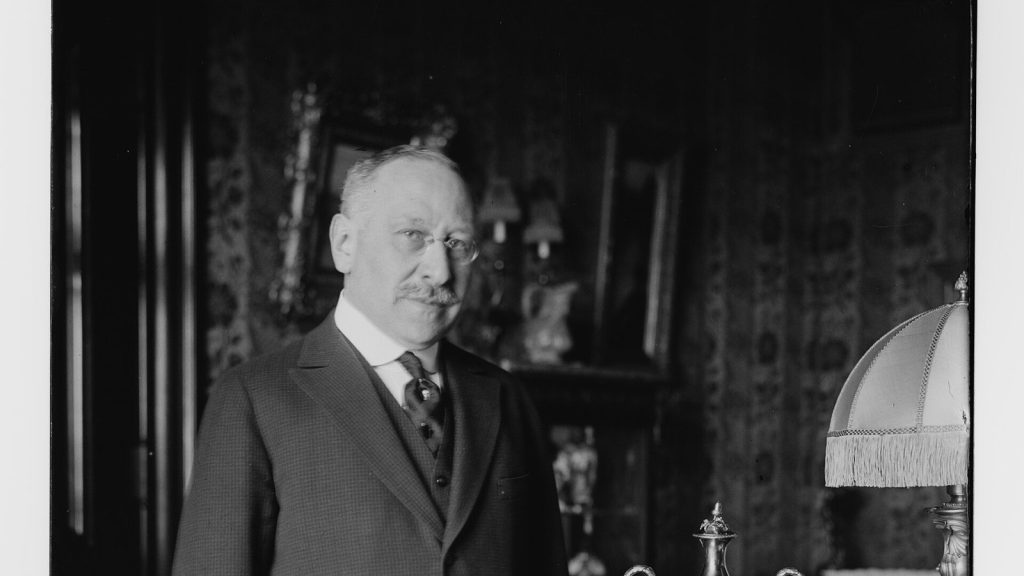
Photo: Bain, public domain, via Wikimedia Commons.
Julius Rosenwald was born in 1862 in Springfield, Illinois, to Jewish immigrants from Germany. He went into the clothing business.
In 1895 he bought a share of Sears, Roebuck and Co., the Chicago mail-order company. As vice president and later president, he helped turn it into the country’s largest retailer.
The schools
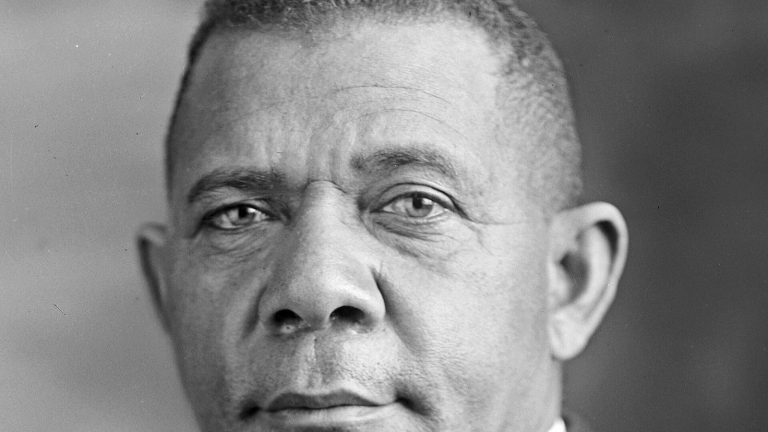
Rosenwald read Booker T. Washington’s “Up From Slavery” and joined the board of the Tuskegee Institute. In 1912 he gave money to build six schools for Black children in rural Alabama.
The program grew. The Rosenwald Fund offered matching grants: local Black communities raised money, land and labor, and public school boards had to contribute too. More than 5,000 schools, shops and teachers’ homes were built across 15 states by 1932.
By some estimates, a third of Black children in the rural South attended a Rosenwald school.
A different kind of giving
Rosenwald also paid for YMCAs for Black communities and founded Chicago’s Museum of Science and Industry. He wanted his fund spent within 25 years of his death rather than kept forever. He died in 1932, and the fund closed in 1948.