Business
October 29, 2026
FTC and 20 states sue Dollar General, saying shoppers paid more at the register than the shelf price
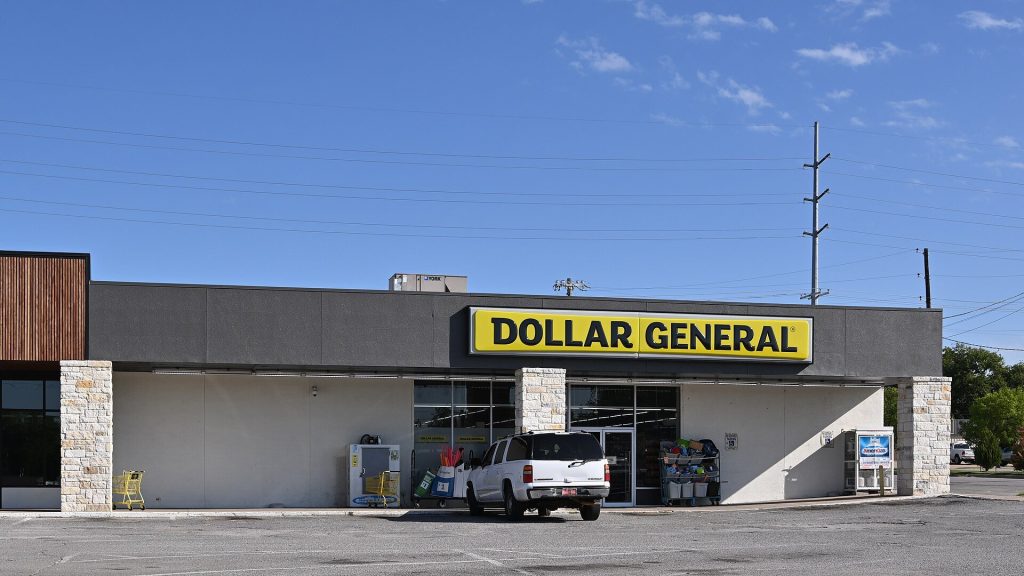
Photo: G. Edward Johnson, CC BY 4.0, via Wikimedia Commons.
The Federal Trade Commission and 20 states sued Dollar General on Oct. 26, accusing the country’s largest dollar-store chain of routinely ringing up items at the register for more than the price on the shelf, the tag or the sale sign.
The complaint was filed in the U.S. District Court for the Middle District of Tennessee, in Nashville, a short drive from the company’s headquarters in Goodlettsville. According to the FTC’s announcement, the agency’s commissioners voted 2-0 to file it. The states that signed on are Alabama, Arizona, Arkansas, California, Connecticut, Florida, Illinois, Iowa, Kansas, Louisiana, Michigan, Mississippi, Nebraska, New Jersey, North Carolina, Ohio, Oklahoma, Tennessee, Utah and Wisconsin.
The lawsuit asks the court for a permanent injunction, a monetary judgment and civil penalties. It alleges violations of the FTC Act, the Gramm-Leach-Bliley Act and a range of state consumer-protection and weights-and-measures laws.
What investigators say they found at the register
The most concrete material in the 95-page complaint comes from undercover shopping trips. Between January and April of this year, FTC investigators bought baskets of roughly 60 items each at Dollar General stores in Ohio, Missouri, Pennsylvania and Maryland, paying by credit card. The complaint says every one of those trips produced overcharges.
In Cleveland on Jan. 16, 13 of 58 items rang up at a price different from the label or shelf, an error rate of 22.4%. Eight were overcharges and five were undercharges, for a net overcharge of $3.25. A Feb. 27 trip in Springfield, Mo., found six mismatches out of 59 items. In Sharpsburg, Pa., on March 11, it was six of 60. At a Baltimore store on April 1, five of 59 items were wrong, and all five were overcharges.
A few dollars per trip sounds small. The government’s argument is that it adds up across a chain of more than 21,000 stores whose customers, by the company’s own positioning, are often working with tight budgets. The FTC describes those shoppers as low- and fixed-income households that rely on posted prices being accurate.
The complaint also leans on Dollar General’s own records. It says the company logged 29,265 customer complaints in a category labeled “Did Not Honor Marked Price” between Jan. 1, 2023, and March 31, 2026. Regulators argue that volume shows the company knew about the problem and did not fix it. The filing also cites a Guardian investigation into the chain’s pricing published last December.
Dollar General’s response
The company laid out its side in a filing with the Securities and Exchange Commission. It said it had been cooperating with FTC staff since early February, after receiving a civil investigative demand dated Jan. 30. On Sept. 23, it said, FTC staff sent a draft complaint and a draft settlement order that included what the company called a demand for significant monetary relief.
Dollar General said it tried to resolve the matter without a lawsuit and objected to what it described as unreasonable demands for redress built on assumptions that, in its view, overstate any harm to consumers. It said it intends to vigorously defend the case, while warning investors that an unfavorable outcome could have a material adverse effect on its financial statements.
Price-accuracy problems at dollar stores are not new territory for state regulators. Several states have run their own inspections and reached settlements with discount chains over shelf-to-register gaps in recent years. What is different here is the scale: a federal agency and 20 states acting together against a single retailer, with the case built around both undercover purchases and the company’s internal complaint data.
For shoppers, the practical advice from consumer agencies has not changed: watch the screen at checkout, keep receipts, and ask the cashier to honor the posted price when the two don’t match. Several of the states in the lawsuit also take pricing complaints directly through their attorney general or weights-and-measures offices.
The case now moves to the Nashville court, where Dollar General will have the chance to answer the complaint formally. More coverage from our business desk will follow as the case develops.