Uncategorized
November 24, 2026
Surface Chemistry And Structural Craft: What Makes Modern Pool Resurfacing Last
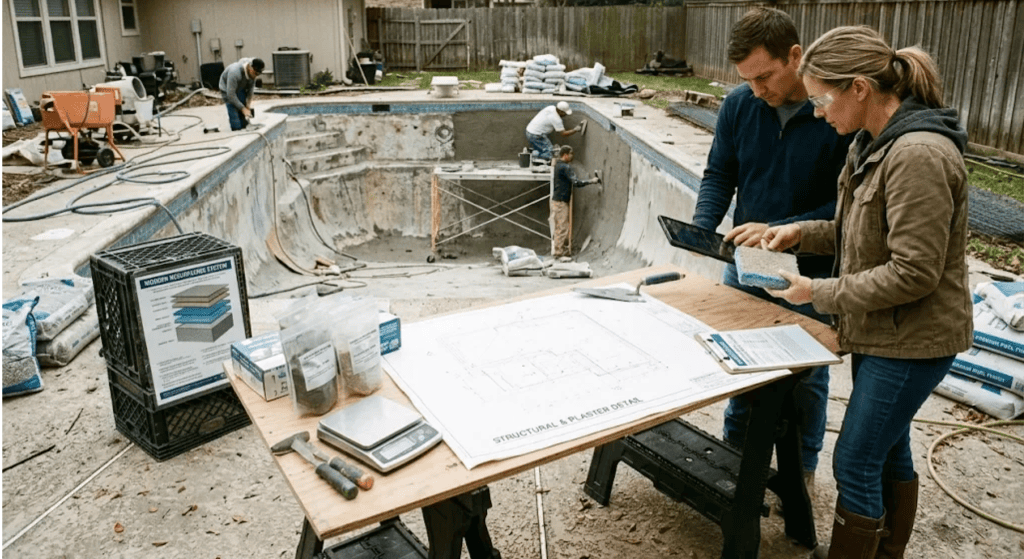
A concrete swimming pool appears deceptively simple once filled with clear water, yet its interior shell is an active chemical environment. Every day, cementitious surfaces interact with dissolved minerals, sanitizers, temperature swings, and intense ultraviolet exposure. In Central Texas where high summer temperatures accelerate evaporation and mineral concentration an aging pool finish quickly shifts from a cosmetic concern to a structural vulnerability.
Understanding how modern resurfacing systems protect gunite shells offers valuable insight for homeowners evaluating long-term property care. Looking closely at how established regional specialists such as Clear Solutions pool plastering Austin approach surface preparation, aggregate selection, and curing demonstrates why technical precision matters just as much as visual design.
Why Interior Pool Finishes Degrade Over Time
Concrete and gunite pool shells are structurally porous, relying on an interior plaster or aggregate coating to form a watertight seal. Over years of continuous immersion, even well-maintained pools experience gradual surface fatigue.
Several physical and chemical factors drive this wear:
- Mineral Leaching and Etching: When water pH or calcium hardness drops below balanced thresholds, water becomes aggressive and pulls calcium hydroxide directly out of cementitious plaster, creating rough, pitted textures.
- Calcium Scale Buildup: Conversely, high temperatures and elevated alkalinity common during long Texas summers cause dissolved calcium carbonate to precipitate onto waterline tiles and plaster walls.
- Delamination and Hollow Spots: Improper bonding during past resurfacing jobs or structural movement in expansive regional clay soils can cause plaster layers to separate from the underlying gunite shell.
- UV and Sanitizer Fade: Continuous sunlight and chlorine oxidation gradually bleach older dyed plasters, leaving mottled or chalky surfaces.
Recognizing these warning signs early allows property owners to resurface before moisture penetrates the underlying steel rebar cage.
Comparing Modern Pool Plaster and Aggregate Finishes
Resurfacing technology has moved far beyond basic white marcite plaster. While classic marcite remains an accessible option, modern polymer-modified mortars and exposed aggregate blends offer substantially greater resistance to chemical wear and staining.
| Finish Category | Typical Lifespan | Surface Texture & Appearance | Primary Performance Advantage |
| Traditional White Marcite | 7–10 Years | Smooth, classic bright blue water reflection | Lower upfront cost; clean traditional aesthetic |
| Quartz Aggregate Plaster | 12–15 Years | Fine-grained texture; vibrant speckled hues | Improved hardness and color retention over marcite |
| Exposed Pebble Finish | 15–20+ Years | Natural riverbed stone texture; deep water tones | Maximum durability against chemical etching and abrasion |
| Polished & Glass Blends | 15–20+ Years | Smooth honed finish with reflective glass accents | Combines high-end visual shimmer with smooth comfort |
Selecting the right finish depends on how the pool is used, desired water color, and long-term maintenance goals. Families with young children often appreciate smooth quartz or polished finishes, whereas homeowners prioritizing multi-decade longevity frequently lean toward exposed pebble systems.
The Critical Role of Shell Preparation and Start-Up Chemistry
Even the highest-grade aggregate mix will fail prematurely if applied over an improperly prepared substrate. Professional resurfacing begins with draining the basin, chipping out hollow or delaminated plaster, and creating a mechanical bond profile across the gunite shell. Technicians also inspect waterline tile, expansion joints, and coping stones to ensure water cannot seep behind the new finish.
Equally critical is the first 28 days after refilling known as the plaster curing or “start-up” window. During hydration, fresh cement releases calcium hydroxide into the water, naturally pushing pH upward. Daily brushing removes plaster dust before it hardens onto the floor, while careful chemical balancing ensures the surface cures into a dense, stain-resistant barrier. Working with experienced local specialists like Clear Solutions pool plastering Austin ensures both the structural prep and curing guidance align with Central Texas water conditions.
Conclusion
A well-executed pool resurfacing project does far more than refresh backyard aesthetics; it restores the primary waterproof barrier protecting a major residential investment. By understanding how water chemistry interacts with cementitious materials and choosing durable quartz, pebble, or polished finishes, homeowners can extend the life of their pools while reducing ongoing upkeep. Relying on proven regional craftsmanship such as Clear Solutions pool plastering Austin helps turn routine structural maintenance into decades of clean, resilient performance.
Frequently Asked Questions (FAQs)
How do I know when my pool needs replastering rather than acid washing?
Acid washing removes a thin layer of stained plaster to brighten the surface, which only works if sufficient plaster thickness remains. If you notice rough exposed gunite, flaking or hollow-sounding spots, widespread pitting, or structural cracks, full resurfacing is necessary.
How long does a standard pool plastering project take?
Most residential resurfacing projects take roughly five to ten working days from draining and shell preparation to application and refill, though weather conditions and additional tile or coping replacements can extend the timeline.
What is the best season to resurface a pool in Central Texas?
Fall, winter, and early spring are ideal because cooler ambient temperatures slow down plaster curing rates, allowing for more controlled hydration while ensuring the pool is ready well before peak summer swimming weather.
Why is daily brushing required right after new plaster is installed?
Fresh cementitious finishes shed fine calcium dust during the initial curing phase. Brushing the walls and floor daily for the first couple of weeks keeps this dust suspended so the filtration system can remove it rather than letting it settle and harden into rough scale.
Add Verity News as a preferred source on Google (opens in a new tab)