Tech
November 24, 2026
Honda recalls 810,592 Civic, CR-V and Acura models over desiccated Takata airbag inflators
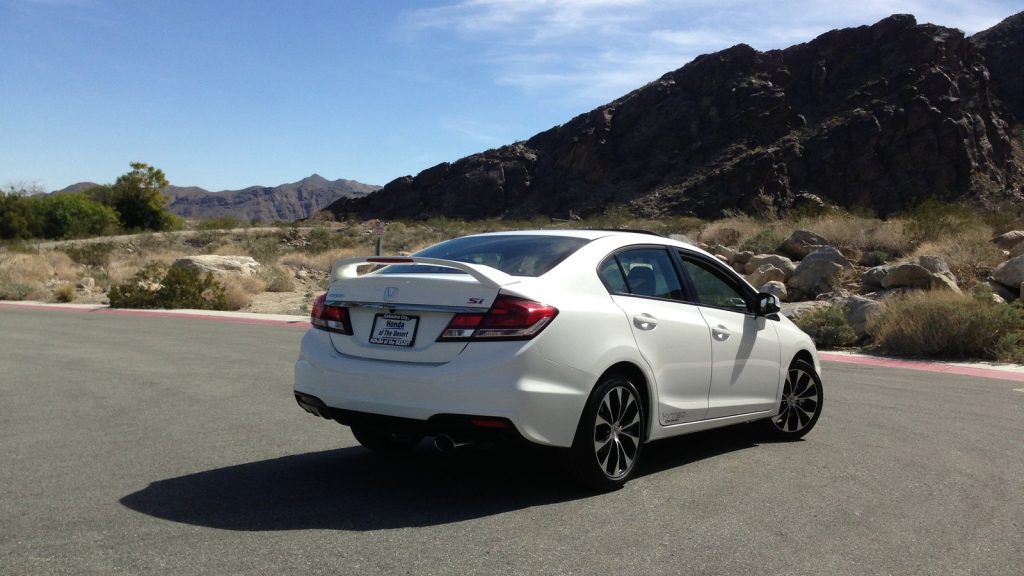
A 2013 Honda Civic Si sedan, one of the model years in the recall. Photo: Rcordova11 / Wikimedia Commons, CC BY-SA 3.0
Honda is recalling 810,592 older Civic, CR-V, Accord and Acura vehicles to replace Takata airbag inflators of a type that had been kept out of the earlier Takata recalls: the versions built with a moisture-absorbing desiccant.
The recall, filed with federal regulators Nov. 19, covers certain 2012 and 2013 Honda Civic and CR-V models, the 2013 Honda Accord, and the 2013 Acura ILX and RDX. According to the National Highway Traffic Safety Administration’s recall acknowledgment, campaign 26V765, the front driver and passenger inflators “may rupture due to propellant degradation occurring after long-term exposure to high absolute humidity and high temperature variation.” A rupture can send sharp metal fragments into the cabin.
The notable part is the hardware. The Takata recalls that began more than a decade ago centered on inflators that used ammonium nitrate propellant without a drying agent. Desiccated inflators were treated as the more stable design and had largely stayed in service. Honda now says that is not true everywhere.
What Honda says it found
In a statement, American Honda said “long-term monitoring and analysis of in-market desiccated inflators” showed potential propellant degradation in certain inflators within specific regions, and that it was acting as a preventive step. The company said no ruptures, injuries or deaths have been reported involving the newly recalled inflators.
That regional finding sets the scope. Honda said the recall applies to affected vehicles originally sold or ever registered in places “known for high temperature, high humidity and large temperature fluctuations”: Alabama, California, Florida, Georgia, Hawaii, Louisiana, Mississippi, South Carolina and Texas, along with Puerto Rico, the U.S. Virgin Islands, Guam, American Samoa and Saipan in the Northern Mariana Islands.
The “ever registered” wording matters for buyers of used cars. A 2013 CR-V that spent its first years in Houston or Miami and now sits in a driveway in Ohio can still be covered.
How owners can check, and what happens next
Dealers will replace the inflators free of charge. The fix is not ready yet, though. NHTSA’s filing says interim letters warning owners of the risk are expected to be mailed Dec. 18, with “additional letters” to follow “once the final remedy is available.” Honda said mailed notices begin in December and urged owners to bring their vehicles in once they are notified.
Vehicle identification numbers became searchable on NHTSA’s site starting Nov. 22, according to the agency. Owners can enter a 17-character VIN at nhtsa.gov/recalls, or use Honda’s lookups at recalls.honda.com and recalls.acura.com. Honda’s customer service line for the campaign is 1-888-234-2138, and NHTSA’s vehicle safety hotline is 1-888-327-4236. Honda’s internal campaign codes are BQK, MQJ, KQI and QQH, which can help when calling a dealer’s service desk.
Under federal law, NHTSA noted in the letter, a manufacturer cannot sell a vehicle containing a defect it has reported until that vehicle is fixed, and Honda must file eight quarterly reports on the campaign’s progress, followed by three annual reports. Those filings will show how many of the 810,592 vehicles actually get repaired.
Honda keeps a running history of its Takata actions on its recall information page. More on vehicle technology and consumer devices is in our Tech section, and our coverage of holiday travel includes AAA’s Thanksgiving forecast for the 81.5 million people expected on the move this week.
Add Verity News as a preferred source on Google (opens in a new tab)