Health
November 12, 2026
Virginia oysters fail a third Salmonella test as the outbreak reaches 13 states
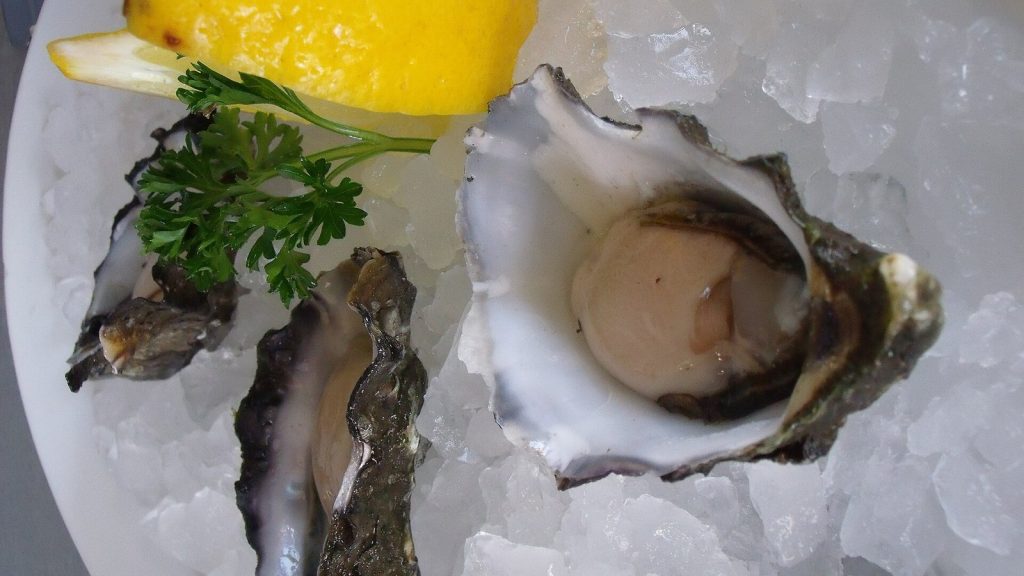
Raw oysters served on ice. Photo: David, public domain, via Wikimedia Commons.
Oysters from a small Virginia river have now failed three rounds of state testing for Salmonella, and the waterway linked to a 13-state outbreak will stay closed to harvest indefinitely.
The Virginia Department of Health said oysters pulled Nov. 2 from cages operated by Little Wicomico Oyster Company tested positive again, this time in three of eight meat samples from two of the company’s four leases. Earlier rounds collected Oct. 13 and Oct. 21 were also positive. A fourth round, collected Nov. 9, is still at the state lab. Under state rules, the Little Wicomico River in Northumberland County cannot reopen until three rounds in a row come back clean, Food Safety News reported Thursday from the department’s update.
Who got sick
The Centers for Disease Control and Prevention counts 28 people sick with Salmonella Telelkebir in 13 states. Five were hospitalized. No deaths have been reported.
Eleven of the patients told investigators they ate raw oysters. Tag and traceback records for seven of them led to the Little Wicomico River, and two of those seven ate oysters from that river only. State testing of the oysters has turned up several Salmonella strains, including Telelkebir, Newport, Hartford, Braenderup and Thompson.
What was recalled
The recall covers whole, in-shell oysters harvested from the Little Wicomico River between Sept. 18 and Oct. 8, 2026, by Little Wicomico Oyster Company, certification number VA-1421-SP. Shellstock tags list the harvest area as Little Wicomico River, VA, or Little Wicomico River Lower, VA.
According to the Food and Drug Administration’s safety alert, the oysters went to restaurants and retailers in California, Colorado, Connecticut, Delaware, Florida, Georgia, Illinois, Maryland, Missouri, Nevada, New Jersey, New York, North Carolina, Pennsylvania, Texas, Virginia and the District of Columbia, and may have gone further. Publix sold some as James River Oysters through Oct. 14, Food Safety News reported.
The FDA says the recalled oysters are past shelf life and should no longer be on sale. The bigger risk now is in home freezers. Anyone who shucked and froze oysters in late September or early October and can’t confirm where they came from should throw them out, and clean any surfaces or containers they touched.
Where the bacteria came from is still unclear
State investigators have looked for a source and haven’t found one. Forty-seven water samples collected Oct. 22 were all negative for HF183, a marker of human sewage, and the health department says its data don’t point to a significant sewage release. Eight samples of bird droppings collected Nov. 2 were also negative. Oysters from the river’s public harvest grounds tested negative on Oct. 26, and another set of water and oyster samples from those grounds is being analyzed at the University of North Carolina.
The department first closed the river by emergency order on Oct. 9. When the 30-day order ran out, it replaced it with a standing condemnation, No. 010-105, with no end date. The health department stresses that its other 90-plus shellfish growing areas are not affected, and that oysters from other Virginia waters and dealers are not part of the recall.
Symptoms to watch for
Salmonella illness usually starts 12 to 72 hours after eating contaminated food and brings diarrhea, fever and stomach cramps that last four to seven days, the FDA says. Children under 5, older adults and people with weakened immune systems are more likely to get seriously ill. Contaminated food can look, smell and taste normal. Anyone who may have eaten the recalled oysters and has symptoms should call a doctor.
Add Verity News as a preferred source on Google (opens in a new tab)