Health
October 29, 2026
FDA approves Hibsago, the first antisense drug for chronic hepatitis B, and what its trials actually showed
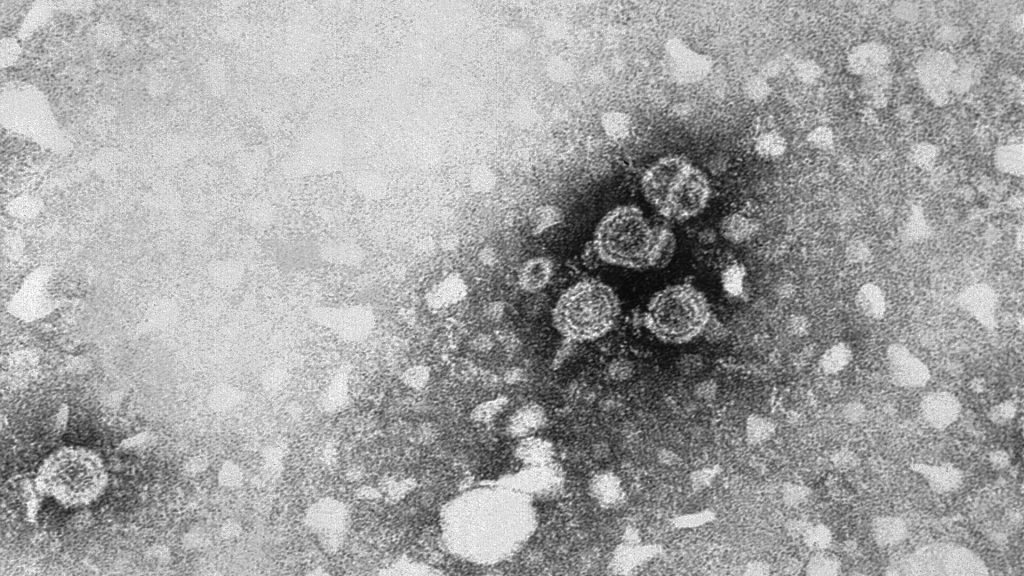
Photo: CDC/Dr. Erskine Palmer, public domain, via Wikimedia Commons.
For most people with chronic hepatitis B, treatment has meant one thing: a daily antiviral pill, taken for years and often for life, that keeps the virus suppressed without clearing it. On Oct. 20 the Food and Drug Administration approved a drug designed to change that equation for some patients.
The drug is Hibsago, the brand name for bepirovirsen, made by GSK. It is the first antisense oligonucleotide approved to treat chronic hepatitis B, according to the FDA’s announcement. Antisense drugs are short, synthetic strands of genetic material. This one targets the instructions the hepatitis B virus uses to copy itself and to make its proteins, including hepatitis B surface antigen, known as HBsAg, a protein doctors use as a marker of infection.
The goal is what hepatologists call a functional cure: the virus stays under control and HBsAg disappears from the blood even after all treatment stops. Current antivirals rarely get patients there, which is why so many stay on them indefinitely.
Who is eligible
The approval is narrow. Hibsago is for adults without cirrhosis who have already been on hepatitis B antiviral therapy for at least six months, whose virus is suppressed in the blood, and whose HBsAg level is 3,000 IU/mL or lower. That last number has to come from an FDA-authorized test. Alongside the drug, the agency authorized a Roche blood test, the Elecsys HBsAg II quant II RxDx assay, as a companion diagnostic to help select patients and to monitor them during treatment.
Hibsago does not replace the daily pill, at least not at first. It is injected under the skin for up to 24 weeks while the patient keeps taking their existing antiviral. The antiviral continues for at least another 24 weeks after the last injection. Only then, and only if certain health and lab criteria are met, can some patients stop their medication altogether.
What the trials showed
GSK tested the drug in two placebo-controlled trials. Across both, 24% of patients who received Hibsago met the requirements to stop their existing medicine, compared with none of those on placebo. Twenty-four weeks after stopping all hepatitis B treatment, 19% of Hibsago patients still had the virus under control and no detectable HBsAg.
Put plainly, roughly one in five eligible patients in the trials reached the point of being off all treatment with the virus in check six months later. Most did not. Those numbers explain both the interest in the approval and the caution around it.
“Hibsago provides a new treatment approach that gives some patients the possibility of maintaining control of the virus after all chronic HBV treatment has ended,” Wendy Carter, acting director of the Office of Infectious Diseases in the FDA’s drug center, said in the agency’s announcement.
The safety profile calls for close monitoring. Hibsago carries a boxed warning, the FDA’s most serious label warning, for serious liver reactions and for low platelet counts that can raise the risk of life-threatening bleeding. The label also warns about worsening kidney function, serious inflammatory reactions such as vasculitis, and risks if the injection is not given properly. Patients will need regular blood work before and during treatment. The most common side effects in the trials, apart from lab abnormalities, were injection-site reactions, fever, fatigue and headache.
The FDA gave the drug Fast Track and Breakthrough Therapy designations and a Priority Review, all programs meant to speed development and review of treatments for serious conditions.
Chronic hepatitis B is a long-term liver infection that can lead to cirrhosis and raises the risk of liver cancer. The CDC estimates that hundreds of thousands of people in the United States live with it, and many don’t know they are infected, which is why the agency recommends that adults be tested at least once. People already being treated who want to know whether they might qualify for Hibsago should start with their liver specialist and an HBsAg level, since that number decides eligibility before anything else does.
More reporting from our health desk is on the way as the drug reaches pharmacies and insurers set their coverage terms.